
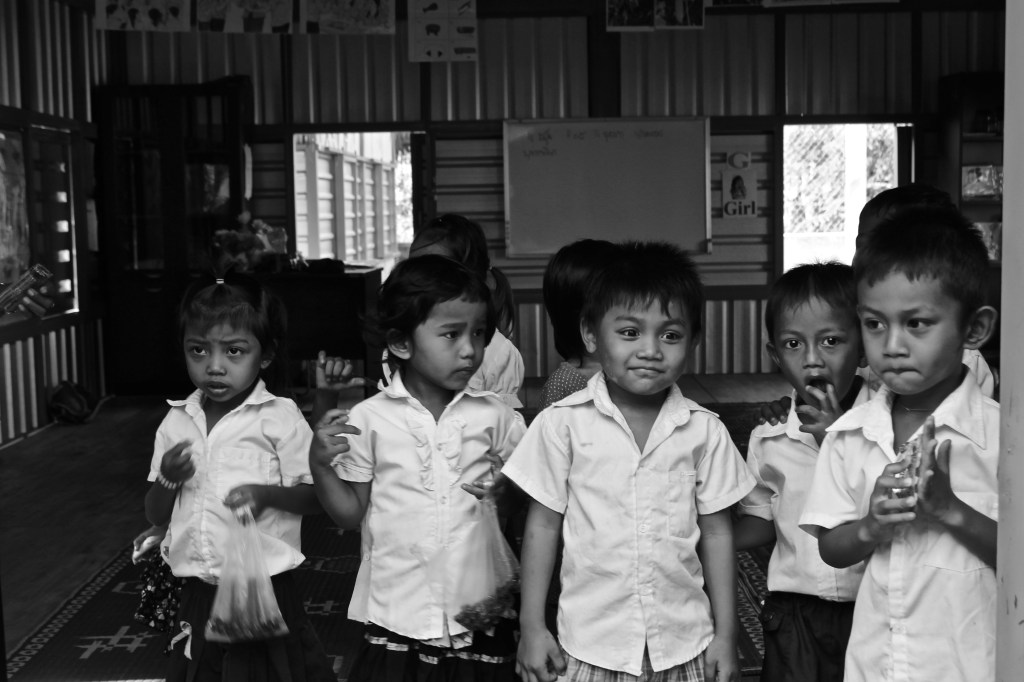
In the recent years, Government Schools of West Bengal have unfortunately earned an infamy because of its poor infrastructure and ill management system and thus lacking the delivery of quality education. This report identifies the challenges faced by a local government school in Uttarpara, West Bengal, which create a poor learning environment that adversely affects the student engagement and their academic performance. Whereas the urban areas have seen a huge shift in admission to private schools from the government ones, it becomes an infeasible option in the rural areas, and moreover, raises the question of trust and accountability on the government’s moral imperative. Thus, solving the problem becomes as critical as ensuring the foundation of a strong and equitable future.
The problem of inadequate infrastructure in government schools is multidimensional. Some of the key issues that coil up the local government school of our concern, in Uttarpara, are listed and discussed below:
Student-Teacher ratio: The school significantly lacks the faculty for natural sciences. Number of faculties for social sciences and language subjects are also moderate. Consequently, students often end up with a class timetable with so many off-periods which has become a new normal there in the past years. It reduces the motivation for the students to come to school and thus affects their fundamental studies. Even if the classes take place, batch strength is too big to resolve everyone’s queries in a single class.
Poor Lab Infrastructure: Science labs lack necessary instruments required for their syllabus. Broken instruments are not replaced with the new ones even after making a number of complaints to the authority and thus crucial experiments are ultimately omitted from the course for that academic year. It impedes the students to have the in-hand experience and the required skillset, tampering with their job opportunities.
Hygiene Deficiency and Subpar Food: The food quality of the Mid-Day-Meals is deplorable. The kitchen staff are reluctant to wear hairnets and gloves while serving food. This unhygienic setting causes poor health conditions to the students and hampers their studies and their families end up spending more money for the treatment.
No Librarian: Library is a symbiotic part of the academics although the school lacks even a single librarian and thus students are to buy books on their own or are only confined within their textbooks. The problem becomes more critical in the rural areas where the parents have very little or no money to buy books and solely rely on school libraries.
Addressing similar challenges, Delhi has become a phenomenal example after the Delhi government implemented comprehensive reforms such as constructing new classrooms, upgrading existing facilities and ensuring the availability of essential resources. The outcomes were significantly impactful enhancing student attendance with improved learning outcomes, and reducing the dropout rates.
Another notable example is the Akanksha Foundation’s work in Mumbai and Pune where the Public- private partnership model was incorporated to transform under-resourced schools.
To address infrastructural challenges in West Bengal’s government schools, the following strategies are recommended:
Committee Formation & Sympathising: A committee should be formed which will include the stakeholders (viz., Institute authority, local government, student representatives, representatives from the academic and non-academic staff etc.) to sympathise with their problems and to propose better and effective policy outcomes.
Adjustments in Recruitment Policies: The Government should work on more recruitment opportunities to strengthen the student-teacher ratio and management staff.
Adoption of the PPP: Leveraging the Public-Private Partnership model will help the government with better funding opportunities to solve the infrastructural issues of classroom decor, laboratory equipment.
Effective Funding Mobilisation and Monitoring: The state and local governments should make sure to optimally utilise and allocate the funds for infrastructural development and better resource allocation. A monitoring system may be formed where the local governments will have to present a complete report of their spending from the allotted funds to the state government on a quarterly basis and a yearly report from the state government to the central. This will mitigate the funding leakages and enhance the development process, and make the policies sustain in the long run.
References:
- Khanna, D., & Peterson, A. (2023, February). State-Led Education Reform in Delhi, India : A Case Study of The Happiness Curriculum. ERIC – Education Resources Information Center. https://files.eric.ed.gov/fulltext/ED626334.pdf
- Akanksha Foundation Schools. (n.d.). Center for Universal Education at Brookings. https://www.brookings.edu/articles/case-study-akanksha-foundation-schools/
 THE PUBLIC PODIUM